
The first six weeks after childbirth—often called the postpartum or “fourth trimester”—are a critical time for a mother’s physical and emotional recovery. During this period, the body gradually heals from pregnancy and delivery while adjusting to hormonal shifts, sleep changes, and the demands of caring for a newborn. Understanding what your body needs during these weeks can help promote faster healing and long-term health.
Understanding the Postpartum Healing Process




After delivery, the body begins a complex recovery process. The uterus gradually shrinks back to its pre-pregnancy size, hormone levels fluctuate rapidly, and tissues affected by childbirth begin to heal.
Some common physical changes during the first weeks include:
- Uterine contractions (often called afterpains) as the uterus shrinks
- Vaginal bleeding (lochia) lasting several weeks
- Breast changes as milk production begins
- Fatigue due to sleep disruption and recovery
These changes are normal, but proper care during this period is essential for healthy recovery.
Rest and Recovery: The Most Important Priority



One of the most important needs after childbirth is adequate rest. The body has gone through intense physical stress and needs time to repair tissues and regain strength.
Helpful recovery practices include:
- Sleep when the baby sleeps whenever possible
- Limit visitors and outside obligations during the early weeks
- Avoid heavy lifting or strenuous activity
- Ask for help from family members with household tasks
Even short periods of rest can significantly improve recovery and energy levels.
Nutrition and Hydration for Healing


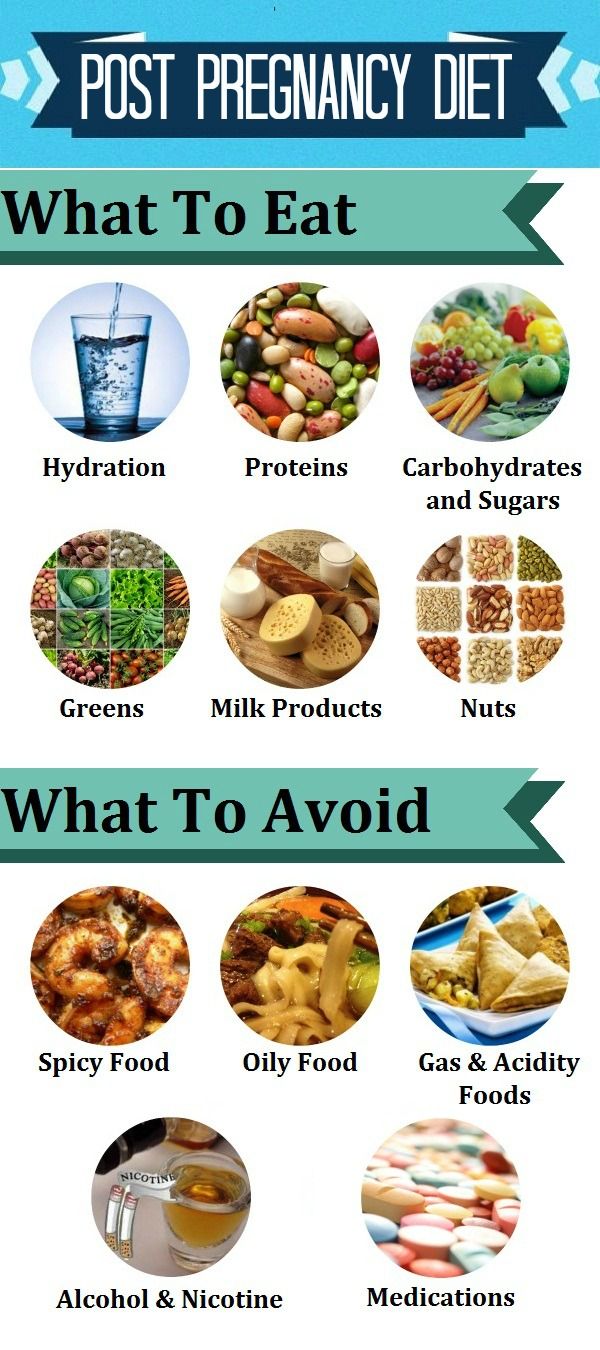
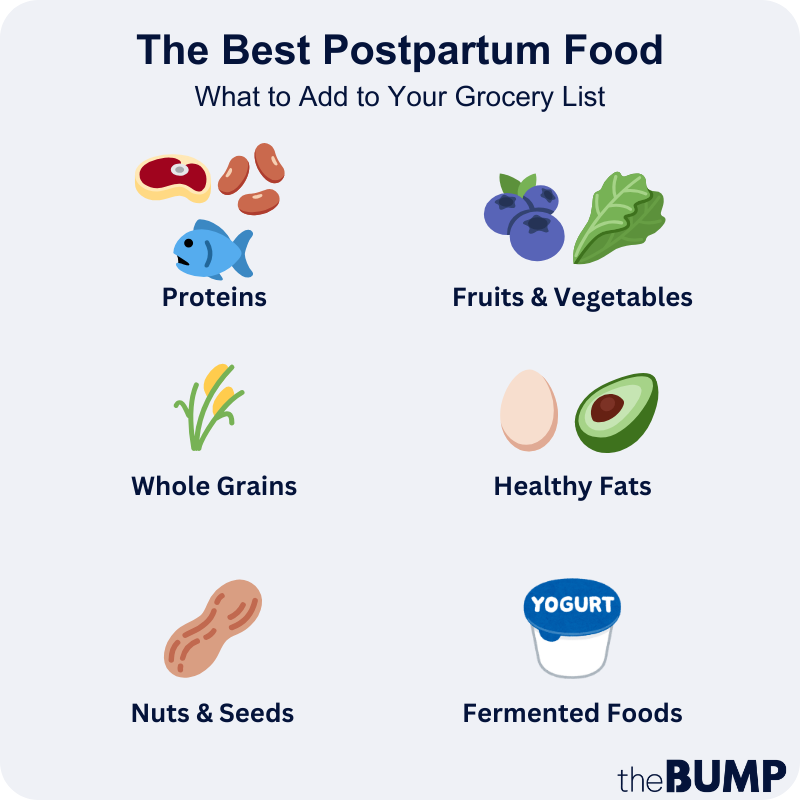
A nutritious diet supports healing, energy levels, and milk production for breastfeeding mothers. The body requires additional calories and nutrients during this period.
Important dietary elements include:
- Protein to repair muscles and tissues
- Iron-rich foods to replenish blood loss from delivery
- Calcium and vitamin D for bone health
- Fiber and hydration to prevent postpartum constipation
Examples of beneficial foods:
- Lean meats, eggs, beans, and lentils
- Leafy greens and vegetables
- Whole grains
- Fruits rich in vitamin C
- Plenty of water throughout the day
Balanced nutrition plays a major role in restoring strength and supporting overall wellbeing.
Gentle Movement and Physical Recovery

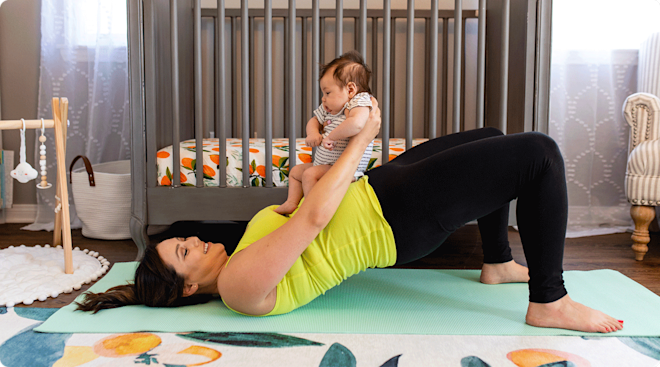


While rest is essential, light movement can help improve circulation, mood, and recovery once a healthcare provider approves activity.
Safe early activities may include:
- Short walks around the home or neighborhood
- Gentle stretching
- Pelvic floor exercises (Kegels)
- Deep breathing exercises
However, intense workouts should generally wait until the 6-week postpartum checkup, when a doctor can confirm that the body has healed sufficiently.
Emotional and Mental Well-Being
Hormonal changes, sleep deprivation, and lifestyle adjustments can affect emotional health during the postpartum period. Many mothers experience mood swings, anxiety, or feelings of overwhelm.
Healthy ways to support emotional wellbeing include:
- Talking openly with family members or friends
- Connecting with other new mothers
- Practicing relaxation techniques such as meditation or breathing exercises
- Taking short personal breaks when possible
If persistent sadness, anxiety, or difficulty bonding with the baby occurs, professional medical support should be sought, as these may be signs of postpartum depression.
When to Contact a Healthcare Provider
Although most postpartum symptoms are normal, certain signs require medical attention:
- Heavy bleeding that soaks a pad within an hour
- Severe abdominal pain
- High fever or chills
- Signs of infection at stitches or incision sites
- Persistent sadness or emotional distress
Regular postpartum checkups ensure that recovery is progressing safely.
The Importance of the “Fourth Trimester”
The first six weeks after childbirth are not just about caring for a newborn—they are also about caring for the mother’s recovery. Adequate rest, proper nutrition, emotional support, and gentle activity allow the body to heal and adapt to motherhood.
By prioritizing these needs, mothers can build a strong foundation for long-term health while navigating the early stages of life with their baby.